
Estate Planning & Probate — Protect what you’ve built and simplify tomorrow
Need a will, trust, or help navigating probate in Colorado? We create clear, tax‑aware plans and guide personal representatives through the probate process—so your loved ones have fewer decisions and more certainty.
- Wills and revocable/irrevocable trusts tailored to your family, assets, and goals.
- Durable powers of attorney and advance directives to protect decision‑making if you’re unable to act.
- Practical probate administration that handles filings, creditors, and distributions with professionalism.
- Asset‑protection strategies coordinated with insurance, real estate titles, and business interests.
Based in Castle Rock and serving the Denver metro, with a national expansion plan.

Who we help
We serve individuals and families at every life stage—especially those with homes, children, blended families, or business interests.
- Young families establishing guardianship and clear instructions
- Homeowners and real‑estate investors aligning deeds and titles
- Business owners coordinating buy‑sell terms and succession
- Aging parents and caregivers planning for care and probate
- Personal representatives administering estates with court oversight
Matters we handle
- Wills & trusts tailored to privacy, probate, and tax goals
- Durable powers of attorney and advance medical directives
- Probate administration and small‑estate procedures
- Asset‑protection strategies and insurance coordination
- Guardianship and alternatives where appropriate
Our approach: education‑forward, tax‑aware, and coordinated
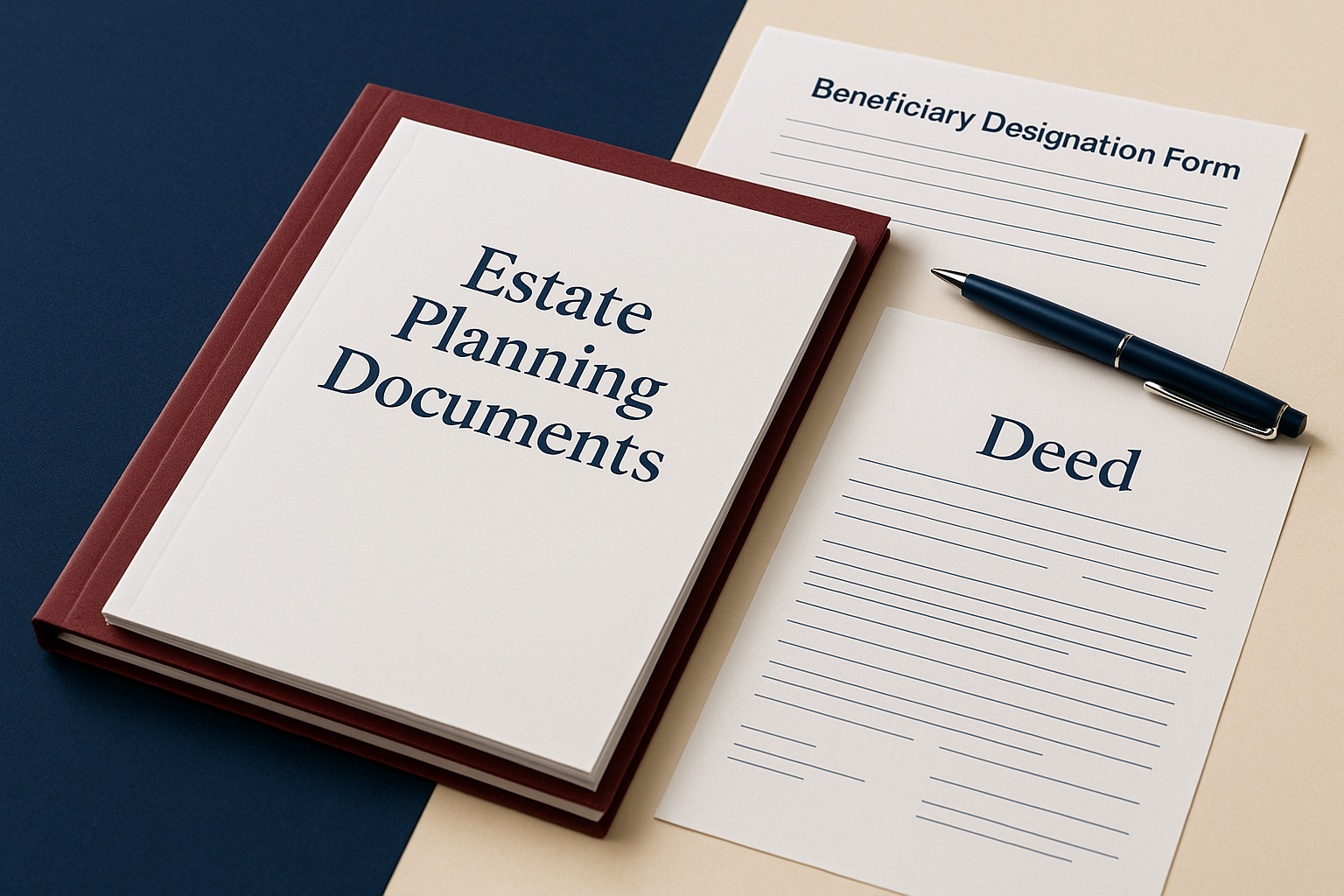
We explain your options in plain language, then build a plan that integrates real estate, insurance, and business factors. Where needed, we align deeds and beneficiary designations and coordinate with your CPA and financial advisor.
- Clear decision points and timelines—no legalese
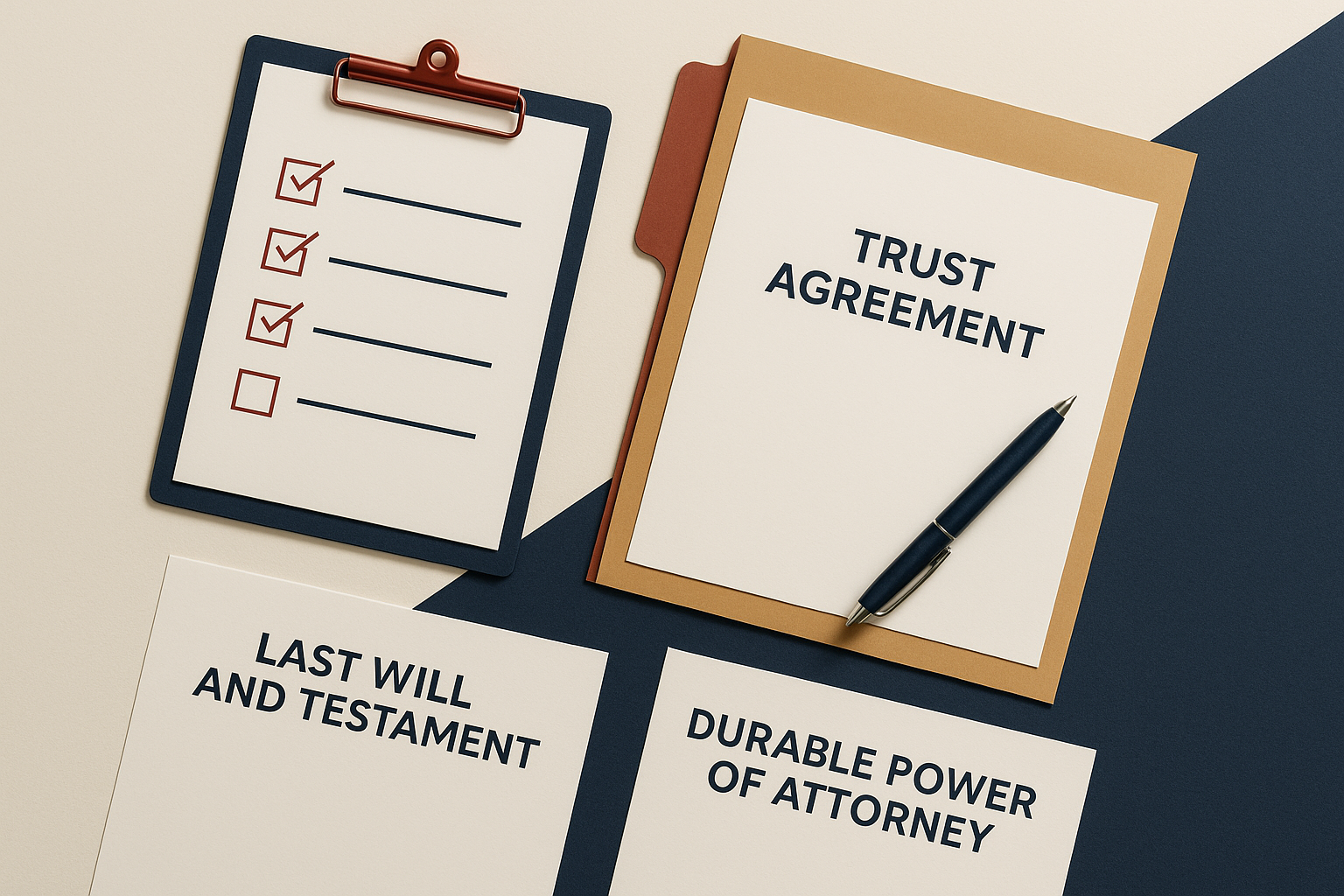
- Asset‑by‑asset funding checklist to ensure your plan works
- Cross‑disciplinary insight: insurance, real estate, and business
- Responsive communication—updates by your preferred channel
For neutral primers on probate concepts, the Legal Information Institute offers helpful overviews at law.cornell.edu .
Process & timeline
Estate planning steps
- Discovery: goals, family, assets, risk profile
- Design: will/trust structure, guardians, agents, tax strategy
- Drafting: plain‑language documents and summary letter
- Signing & custody: witnessing/notarization and storage plan
- Funding: titles, beneficiary designations, and asset alignment
- Updates: revisit after major life/asset changes
Probate administration
- Court filings and appointment of personal representative
- Notice to heirs/creditors and identification of assets
- Inventory, appraisals, and creditor claims management
- Accounting, distributions, and closing the estate
Timelines vary by court, asset complexity, and disputes. We set expectations early and keep you informed.
Fees & billing
Many estate plans are offered at transparent flat fees. Complex trusts and contested probate matters may use hourly or hybrid structures. Every engagement includes a written scope so you know what’s covered and when.
- Flat‑fee will or revocable living trust packages where appropriate
- Predictable add‑ons for deeds, assignments, or advanced drafting
- Hourly/hybrid for probate and complex estates with estimates
What impacts cost?
- Number and type of assets (businesses, multiple properties, retirement accounts)
- Privacy goals and tax considerations
- Family structure and special‑needs planning
- Contested issues in probate (will challenges, missing assets)
Documents checklist
Gathering a few basics helps us design efficiently. If you don’t have everything yet, start with what’s available—we’ll prioritize the rest.
- Government ID and family information (names, ages, relationships)
- Asset and liability list (accounts, property addresses, loans)
- Beneficiary designations for retirement and life insurance
- Existing wills, trusts, deeds, premarital agreements, or buy‑sell agreements
- Insurance policies and recent statements
Frequently asked questions
Quick answers to common planning and probate concerns.
Plan with confidence—start your estate plan today
We’ll outline options, fees, and a realistic timeline on your first call. Clear documents, coordinated funding, and responsive updates.
Page last updated: September 12, 2025