
Insurance Law — Make your policy pay what it promises
Denied, delayed, or underpaid claim? We interpret policies, map every layer of coverage, and hold insurers to their obligations—so you can focus on recovery while we press for full, lawful benefits, including bad‑faith remedies where available.
- Coverage disputes for auto (liability, UM/UIM, med‑pay/PIP), homeowners, renters, and commercial policies
- Bad‑faith claim handling: unreasonable delays, lowball offers, or improper denials
- Business losses: property damage, extra expense, and business‑interruption coverage
- Strategy aligned with related matters—personal injury, real estate title issues, and contract obligations
Based in Castle Rock and serving the Denver Metro, with a national expansion plan.
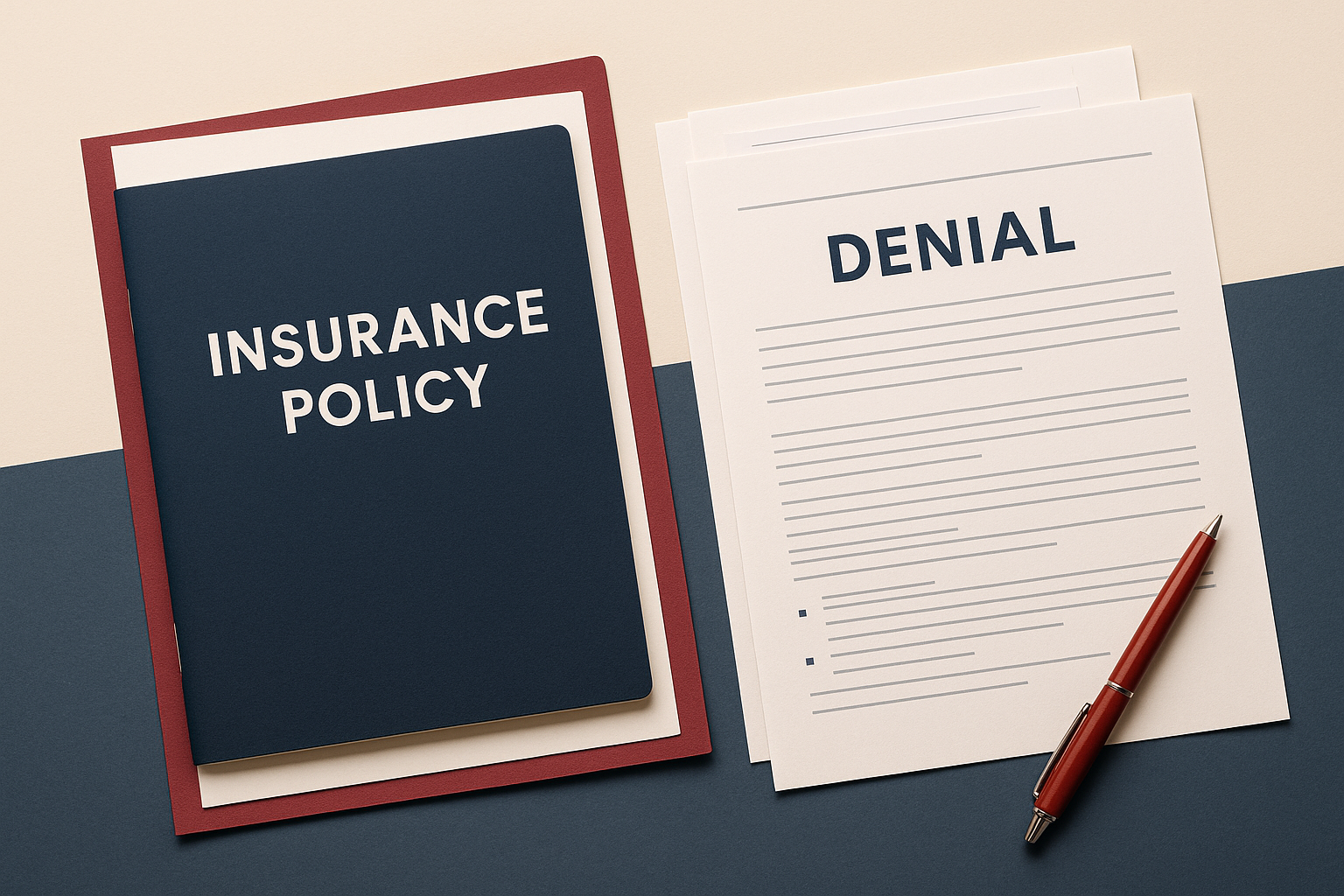
Who we help
Individuals, families, and businesses facing delayed or denied claims—and injury clients who need every available dollar for treatment and recovery.
- Not‑at‑fault drivers pursuing liability, UM/UIM, and med‑pay/PIP benefits
- Homeowners and renters with water, fire, theft, or hail losses
- Small businesses with property, general liability, or business‑interruption claims
- Landlords, HOAs, and property managers aligning claims with leases and covenants
- Professionals navigating E&O and D&O coverages alongside disputes
Matters we handle
- Auto: liability, UM/UIM stacking, med‑pay/PIP coordination with health insurance
- Property: dwelling, personal property, ALE, and code‑upgrade endorsements
- Commercial policies: CGL, BOP, property, and business interruption
- Bad‑faith claim handling and unfair settlement practices
- Real estate claim alignment with title and lease requirements (Real Estate & Land Use)
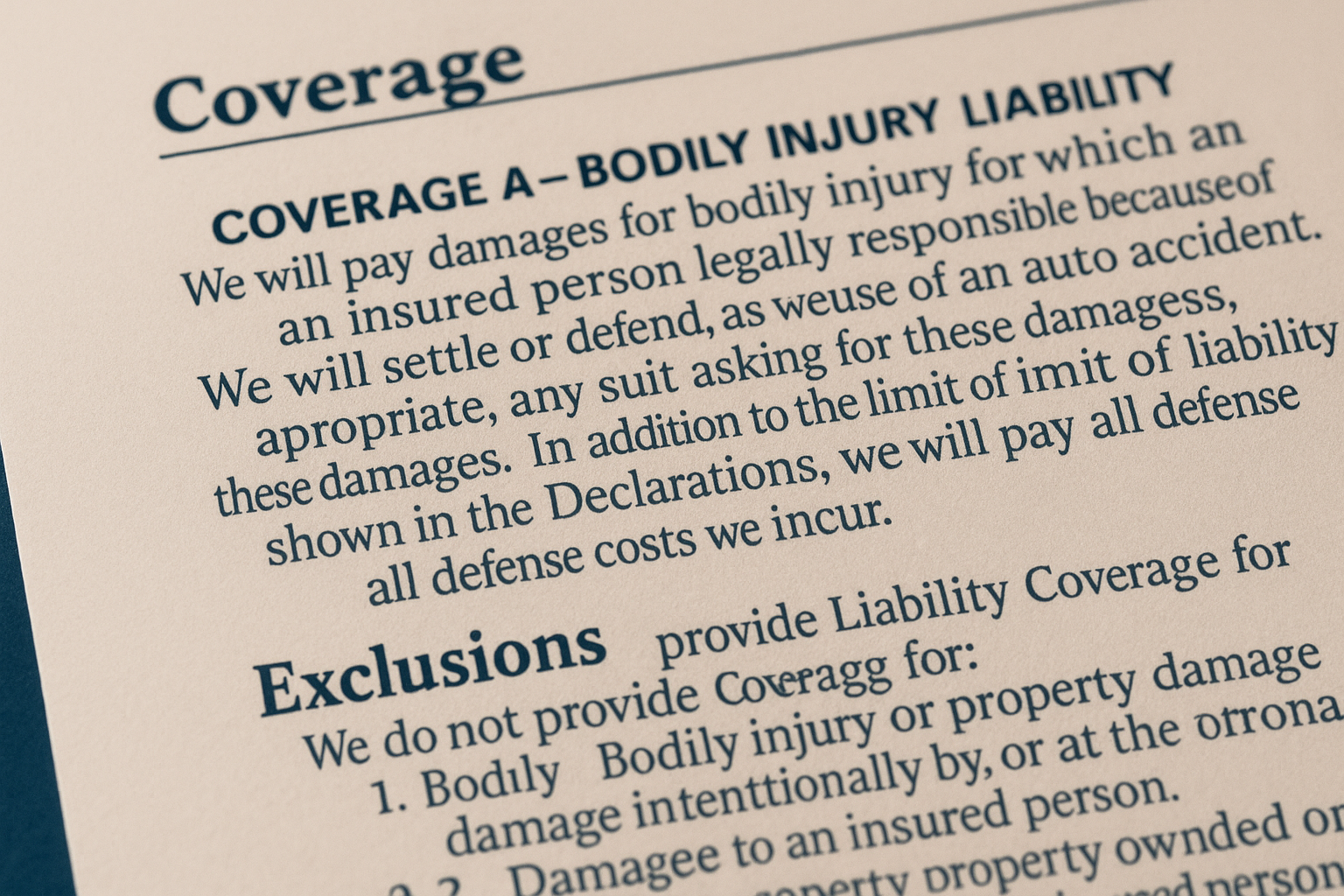
Our approach: map policies, press timelines, escalate when needed
We translate dense policy language into plain steps. Then we notify all potential carriers, align coverages with your losses, and move claims forward. If the insurer drags its feet or unreasonably denies your claim, we pursue remedies—up to and including bad‑faith litigation.
- Full coverage map: primary, excess, UM/UIM, endorsements, and exclusions
- Treatment‑first coordination for injury clients; property repair timelines for home/business claims
- Negotiation grounded in facts, policy language, and documented loss
- Litigation readiness, including statutory notice and evidence preservation
For a neutral primer on the concept of “bad faith,” see law.cornell.edu/wex/bad_faith .
Process & timeline
Coverage dispute steps
- Intake: facts, losses, carriers, deadlines
- Policy review: declarations, forms, endorsements, exclusions
- Coverage map: coordinate auto, property, and health policies where relevant
- Demand and documentation: estimate, bills, photos, expert reports
- Negotiation/mediation: resolve if possible; set litigation posture if not
- Escalation: file suit if warranted and permitted by facts and law
Bad‑faith & litigation track
- Identify unreasonable claim handling or statutory violations
- Preserve evidence: logs, recordings, correspondence, claim file requests
- Statutory notices (where applicable) and final pre‑suit opportunity to cure
- Filing, discovery, expert workup, and resolution via motion, mediation, or trial
Timelines depend on claim complexity, carrier response, and court schedules. You’ll get expectations and milestones early.
Fees & billing
We match fee structures to your matter: contingency for select injury‑related coverage disputes, hourly or hybrid for complex commercial or property claims, and clear, written scopes in every engagement. Where fee‑shifting statutes or bad‑faith remedies allow, we seek recovery of fees and penalties as permitted by law.
- Transparent terms with budgets or milestones
- Contingency or hybrid options for eligible disputes
- Ongoing cost‑benefit assessments before escalation
What impacts outcome and cost?
- Policy language, endorsements, limits, and exclusions
- Quality and completeness of proof of loss and damages
- Carrier responsiveness and adherence to statutory timelines
- Need for experts (construction, medical, financial)
Documents & evidence checklist
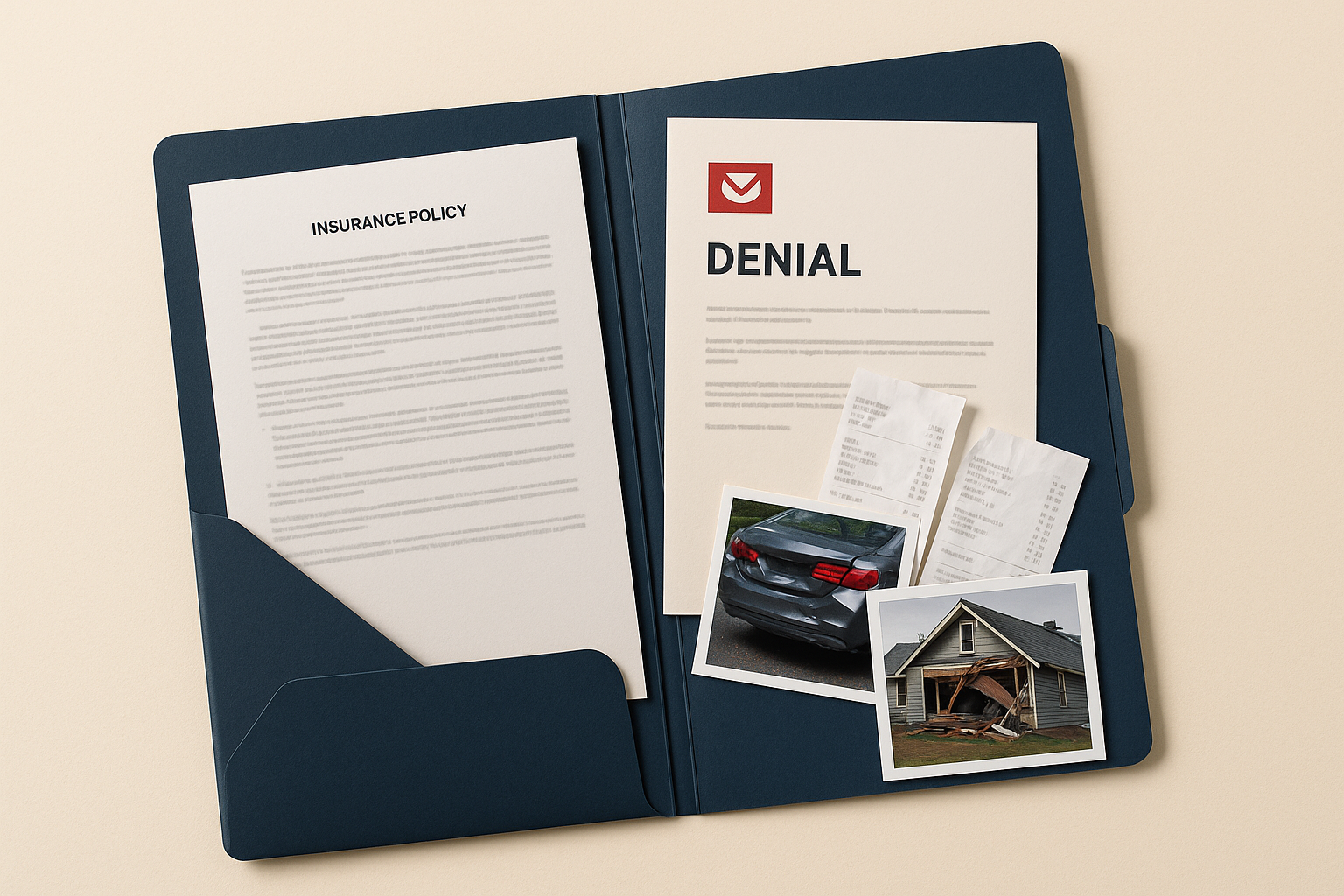
Start with what you have—we’ll prioritize the rest and request claim files as needed. Thorough documentation strengthens leverage and shortens timelines.
- Policy: declarations page, forms, endorsements, and any riders
- Insurer correspondence: reservation‑of‑rights letters, denials, adjuster emails
- Loss proof: photos, estimates, invoices, repair records; for injuries—medical bills and treatment notes
- Prior claims, appraisals, and relevant contracts or leases
- Third‑party info: police/incident reports, contractor assessments, expert evaluations
Frequently asked questions
Quick answers to common insurance coverage and bad‑faith questions.
Upload your policy—get clear answers fast
Same‑day response whenever possible. We outline coverage, next steps, and a practical timeline—then press your insurer for the benefits you’re owed.
Page last updated: September 12, 2025