
Hurt at work? Get treatment covered and protect your paycheck.
Workers’ compensation is designed to pay for medical care and a portion of lost wages when you’re injured on the job. We help you move quickly—from reporting the injury and selecting an authorized provider to calculating benefits and appealing denials when necessary. If a non-employer caused your injury (like a negligent driver or a defective tool), we also evaluate third‑party claims to pursue full, lawful recovery alongside your comp benefits.
- Coordinate authorized medical treatment and request second opinions where rules allow.
- Calculate temporary total/partial disability, permanent impairment, and mileage where permitted.
- Preserve deadlines for notice, claim filing, and hearings to keep benefits on track.
- Map third‑party liability (e.g., defective equipment, unsafe premises, negligent drivers) to maximize recovery.

Who we help
We represent employees across industries—and evaluate coverage for contractors depending on jurisdiction and the facts. Whether you work in the field, in a facility, or at a desk, we focus on getting you medical care quickly and keeping your income stable while you recover.
Construction & trades
Falls, equipment failures, repetitive strain, and exposure incidents—on sites, in shops, and during transport.
Healthcare & caregivers
Lifting injuries, needle sticks, patient‑handling strains, and workplace violence incidents in medical settings.
Drivers & delivery
Collisions while on the clock, loading injuries, and roadway hazards—company vehicles and fleet operations.
Office & tech employees
Slip‑and‑fall incidents, repetitive use injuries, and accidents during employer‑directed travel or events.
Warehouse & manufacturing
Forklift and conveyor injuries, crush and pinch events, and exposure to chemicals or loud noise.
Contractors/1099 (case‑by‑case)
Status and coverage depend on control, contracts, and state rules. We assess eligibility and alternate recovery options.

The workers’ comp process—what to expect
- Notice: Report the injury to your employer as soon as possible to preserve benefits.
- Authorized care: See an authorized provider; request second opinions or IMEs where rules allow.
- Benefit calculations: Temporary disability, medical, and mileage are computed under statutory formulas.
- Light duty & restrictions: We help align work restrictions with safe assignments or leave.
- MMI & impairment: When you reach maximum medical improvement, impairment ratings may affect awards.
- Hearings/appeals: We prepare evidence and deadlines for disputes over coverage, treatment, or benefits.
Timelines vary with treatment plans and disputes. We set expectations up front and keep you informed at every step. For a firm‑wide view of how matters flow, see Our Process .
Want a neutral overview of workers’ compensation concepts? The Legal Information Institute provides helpful primers at law.cornell.edu .
Coordinating comp with third‑party claims
Workers’ comp typically bars lawsuits against your employer, but you may still have claims against others who caused your injury. We identify and pursue those avenues while protecting your comp benefits and addressing liens and subrogation rights. This comprehensive approach can increase your overall recovery and ensure medical bills are properly allocated across insurance policies.
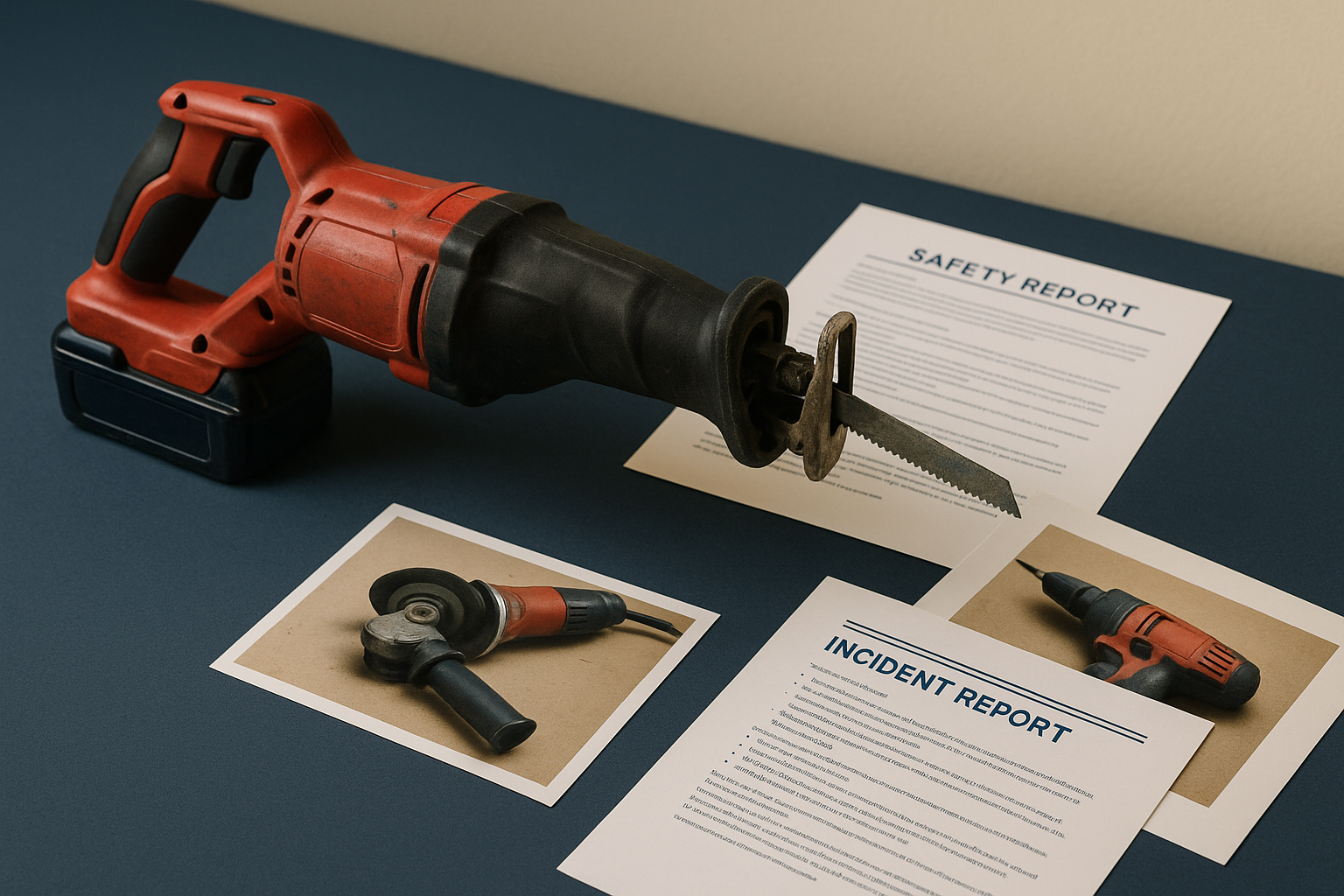
- Defective tools or machines: Product claims against manufacturers/distributors.
- Roadway crashes on the job: Negligent drivers and layered auto insurance coverage.
- Unsafe premises: Hazardous conditions at a third party’s property.
Workers’ Compensation FAQs
Clear answers to the most common questions we hear at intake. Your situation is unique—contact us for guidance specific to your facts and jurisdiction.
Free Work Injury Review—same‑day response when possible
Tell us what happened. We’ll confirm conflicts, outline authorized treatment options, assess wage benefits, and check for any third‑party claims. Clear next steps, in plain language.
Page last updated: September 12, 2025