Is There a Helmet Law?
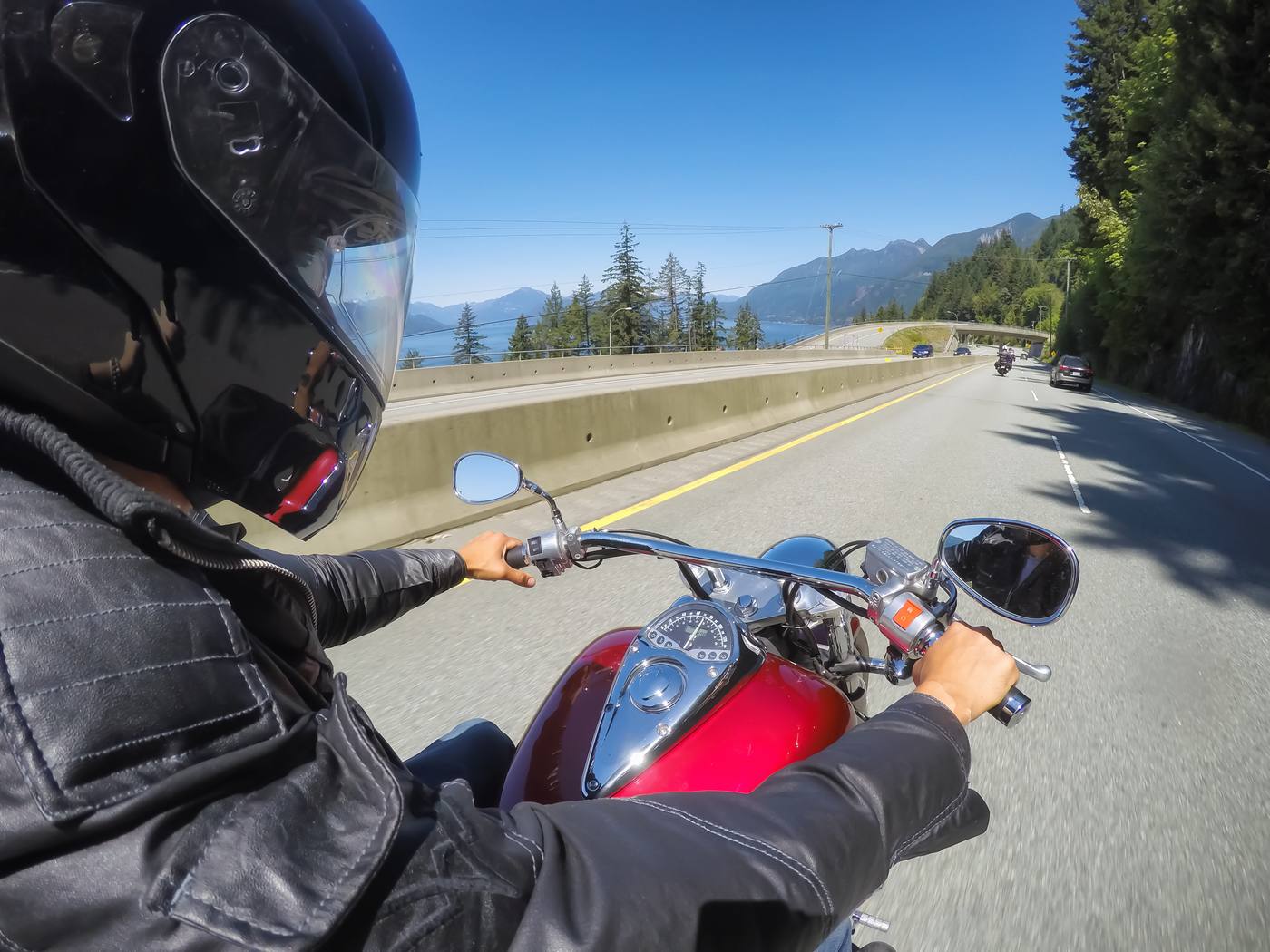
Does Colorado have a motorcycle helmet law? Partly. Under C.R.S. § 42-4-1502, only riders and passengers under 18 must wear a DOT-approved helmet. Adults 18 and over are free to ride without one. Eye protection, goggles, glasses, or a face shield, is required for all riders unless the bike has a windscreen. Because adults can legally ride helmetless, choosing not to wear one is not a bar to recovering after a crash, though insurers may raise it to argue fault for a head injury.
Riders get treated differently after a crash, and not by accident. The assumption that a motorcyclist must have been speeding, weaving, or reckless follows injured riders into the claims process, where adjusters use it to pay less. Colorado law is more favorable to riders than the stereotype suggests, starting with a helmet rule that surprises people. Here is what the law actually requires, how fault gets decided, and where a claim is won or lost.
What Colorado's Helmet Law Requires
Colorado is not a universal helmet state. The statute, C.R.S. § 42-4-1502, requires DOT-approved helmets only for operators and passengers under 18, and it leaves the choice to adults. That single fact shapes a lot of crash claims, because insurers like to imply a helmetless adult rider was breaking the law when they were not.
Two things the law does require of everyone: eye protection unless the motorcycle has a windscreen, and the same rules of the road every other driver follows. A rider under 18 must wear a helmet with a secured chin strap. An adult rider faces no helmet mandate at all. The legality matters because it frames the fault conversation that comes next.
Does Not Wearing a Helmet Hurt Your Claim?
For an adult, riding without a helmet is legal, so it is not an automatic defense. The wrinkle is that an insurer may still raise it to argue you share fault for a head injury specifically, and how that plays out depends on the injury and the facts.
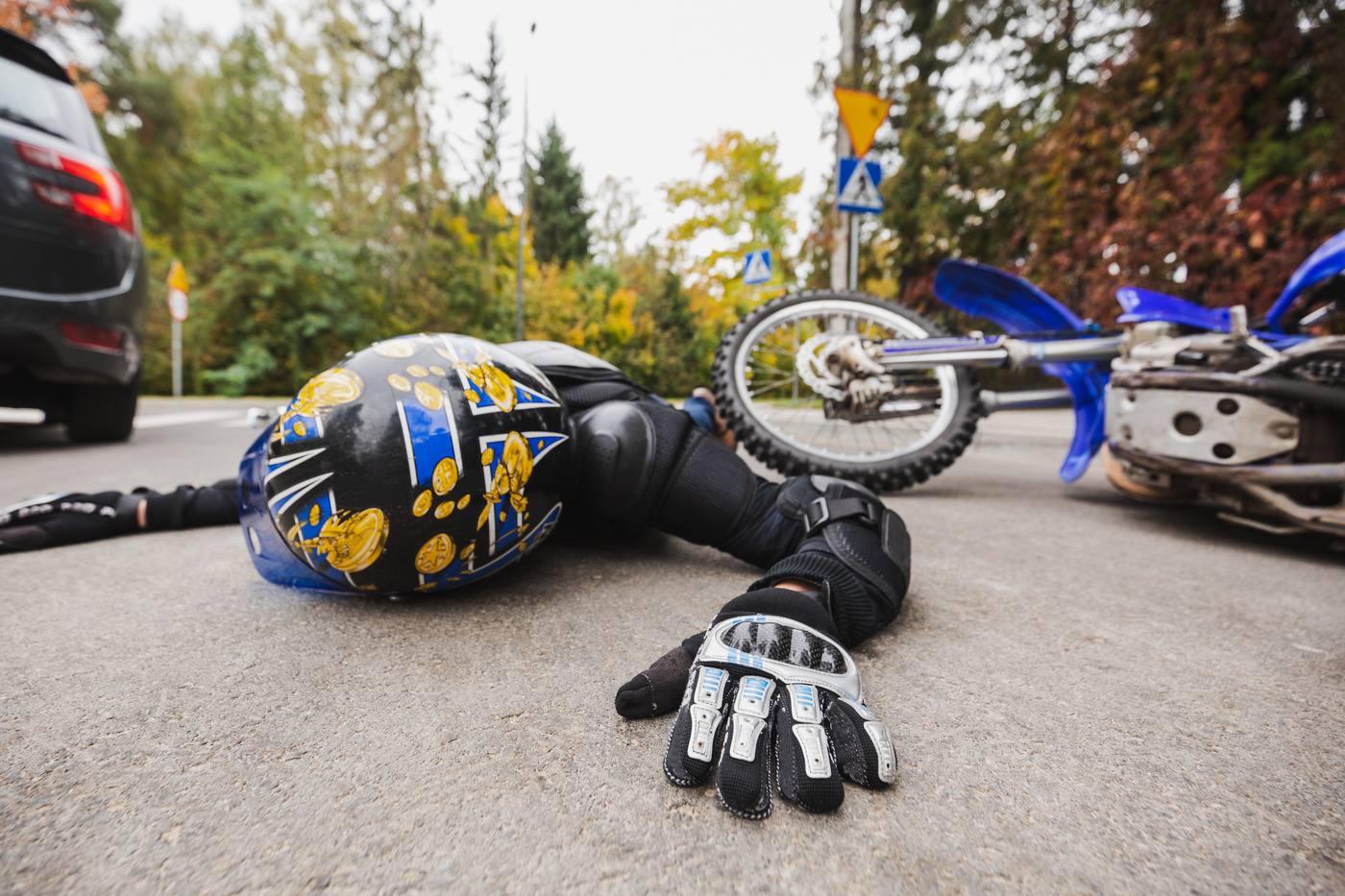
If an adult rider with no helmet suffers a broken leg in a crash a driver caused, the absence of a helmet has nothing to do with that injury, and it should not reduce the recovery. Where insurers push hardest is a head injury, arguing that a helmet would have lessened it. Colorado's comparative fault system is the battleground for that argument, and it is one a lawyer can rebut with medical evidence about causation. The lesson is not that helmets do not matter for safety. It is that for an adult, the legal choice to ride without one does not hand the insurer your case.
Free Guide: What to Do After an Injury
A step-by-step PDF covering the first moves that protect your health and your claim in Colorado.
Been in a wreck? The clock is already running.
Evidence disappears fast and insurers move faster. Talk to a Colorado injury attorney today. Same-day response, free consultation.
How Fault Works After a Colorado Motorcycle Crash
Fault in a motorcycle case runs on the same rule as any Colorado injury claim: modified comparative negligence with a 50% bar. Your recovery drops by your share of fault, and at 50% or more, it disappears.
Here is how that math plays out. Say a left-turning driver pulls across your path on a Denver street and a jury values your damages at $200,000, but finds you 15% at fault for going a few miles over the limit. Your recovery becomes $170,000. If the jury had put your share at 50% or more, you would recover nothing. This is exactly why insurers work to inflate a rider's share of fault, leaning on the speeding-and-weaving stereotype, scrutinizing lane position, and questioning whether you were visible. Countering those arguments with skid-mark analysis, witness accounts, and accident reconstruction is where a rider's recovery is protected. Every point of fault shifted onto you comes straight out of the result.
Why Motorcycle Injuries Run Severe
Motorcycle crashes produce worse injuries than car crashes for an obvious reason, and that severity changes how a claim has to be handled. There is no frame, no airbag, no seatbelt between the rider and the road.
Riders disproportionately suffer fractures, road rash, spinal injuries, and traumatic brain injuries, the kinds of harm that carry large future-care costs and long recoveries. Colorado does not cap economic damages, so the full cost of that future care, surgeries, rehabilitation, lost earning capacity, belongs in the claim when it is documented. The treatment-first approach at Tactical Lawyers is built for exactly this: coordinating care early both helps the rider recover and creates the medical record that proves the scale of the loss. Severe cases also make the available insurance, the at-fault driver's limits plus your own underinsured motorist coverage, a central question, because a serious injury can outrun a small policy fast.

What Helps Your Claim After a Crash
A few moves in the days after a motorcycle crash protect the recovery, and a few mistakes quietly shrink it.
Get medical care immediately and follow through on it, because a gap in treatment is the first thing an insurer uses to discount a claim. Photograph the scene, the vehicles, the road, and your gear. Get witness contact information. Preserve your damaged helmet and gear rather than tossing them, since they can be evidence. Be careful with recorded statements to the other driver's insurer, and do not accept a fast settlement before the full extent of your injuries is known. And watch what you post, because a single upbeat photo gets used to argue you were not really hurt.
Injured and not sure what your case is worth?
Do not accept the first offer before you know your numbers. Free case review with a Colorado attorney.
Frequently Asked Questions
Does Colorado have a motorcycle helmet law?
Only for minors. Under C.R.S. § 42-4-1502, riders and passengers under 18 must wear a DOT-approved helmet, while adults 18 and over may legally ride without one. Eye protection is required for all riders unless the motorcycle has a windscreen.
Can I still recover if I wasn't wearing a helmet in Colorado?
Yes, if you are an adult. Riding without a helmet is legal for adults, so it is not an automatic bar to recovery. An insurer may argue it contributed to a head injury under comparative fault, but that argument can be rebutted with medical evidence, and it does not affect unrelated injuries at all.
How is fault decided in a Colorado motorcycle accident?
Colorado uses modified comparative negligence with a 50% bar. Your recovery is reduced by your percentage of fault, and if you are 50% or more at fault, you recover nothing. Insurers often try to inflate a rider's share of fault, which is why evidence on how the crash happened is so important.
What is my Colorado motorcycle accident claim worth?
It depends on the severity of the injuries, the strength of the liability evidence, your share of any fault, and the available insurance. Economic damages like medical bills and lost earning capacity are not capped in Colorado, so serious cases can be substantial when the future costs are properly documented.
What should I do after a motorcycle crash in Colorado?
Get medical care right away, photograph the scene and your gear, collect witness information, and preserve your damaged helmet and equipment. Be cautious about recorded statements and quick settlement offers from the other driver's insurer, and talk to a lawyer before signing anything.
Does my own insurance matter in a motorcycle crash?
Yes. If the at-fault driver carries low limits or no insurance, your own underinsured and uninsured motorist coverage can pay the gap, and Colorado allows stacking across vehicles. Tracing every layer of coverage is often where real recovery is found in a serious motorcycle case.
Ride Hurt by Someone Else's Mistake? Don't Let the Stereotype Cost You
The bias against riders is real, and insurers use it. The law, though, treats a motorcyclist injured by a careless driver the same as anyone else, and an adult's choice to ride without a helmet does not change that. What protects your recovery is evidence and an early, careful build of the case.
Tactical Lawyers represents injured riders across Douglas County and the Denver metro from our Castle Rock office, on contingency with no fee unless we recover for you. We coordinate your medical care first, push back on inflated fault arguments, and trace every layer of insurance. Call (720) 499-0000 or request a free consultation.
This article is for informational purposes only and is not legal advice. Motorcycle claims turn on specific facts; consult a licensed Colorado attorney about your situation.