
Strict Liability, Explained
Is Colorado a strict liability state for dog bites? Yes, for serious injuries. Under C.R.S. § 13-21-124, a dog owner is strictly liable when their dog causes serious bodily injury or death to a person who was lawfully on public or private property, even if the dog never showed aggression before. Strict liability covers economic damages only, like medical bills and lost wages. To recover for pain and suffering, you need a separate negligence claim. Several exceptions can defeat liability.
Colorado runs a split system for dog bites, and most people only know half of it. There is a strict-liability law that makes owners pay for serious injuries no matter how good the dog's history was, and there is everything else, which still requires proving the owner did something wrong. Which track your case is on depends on how badly you were hurt and where you were standing. This breaks down both, what you can actually recover, and the exceptions that let an owner off the hook.
What Colorado's Dog Bite Statute Actually Says
Colorado's dog bite law lives at C.R.S. § 13-21-124, and it imposes strict liability in one defined situation. Strict liability means the injured person does not have to prove the owner was careless or knew the dog was dangerous. The statute draws the line at the severity of the injury:
"A person… who suffers serious bodily injury or death from being bitten by a dog while lawfully on public or private property shall be entitled to bring a civil action to recover economic damages against the dog owner regardless of the viciousness or dangerous propensities of the dog or the dog owner's knowledge or lack of knowledge of the dog's viciousness or dangerous propensities." (C.R.S. § 13-21-124(2))
Two conditions have to be met: the injury has to be serious, and you have to have been somewhere you were legally allowed to be. Meet both, and the owner's liability does not depend on the dog's record at all.
What Counts as "Serious Bodily Injury"?
The strict-liability track only opens for serious injuries, so this definition decides which law applies to your case. Minor nips do not qualify, and a different, harder standard governs them.
Colorado defines serious bodily injury as an injury that carries a substantial risk of long-lasting loss or impairment of a body part or organ, or that involves broken bones, fractures, or second- or third-degree burns. A deep puncture that risks nerve damage, a bite that breaks a bone, or wounds that leave permanent scarring generally clear that bar. A shallow scratch or a bruise generally does not. When the injury is less than serious, the strict-liability statute does not apply, and you would have to prove the owner was negligent or knew the dog was dangerous, the older common-law approach. The severity of the wound, in other words, changes the legal theory.
Free Guide: What to Do After an Injury
A step-by-step PDF covering the first moves that protect your health and your claim in Colorado.
Been in a wreck? The clock is already running.
Evidence disappears fast and insurers move faster. Talk to a Colorado injury attorney today. Same-day response, free consultation.
What Can You Recover, and What You Can't
This is the trade-off built into the strict-liability statute, and it surprises injured people. Strict liability gives you a shortcut to proving fault, but it limits the damages to economic losses only.
Under C.R.S. § 13-21-124, the strict-liability claim recovers economic damages: past and future medical bills, past and future psychological counseling, lost income, and lost earning capacity from disability or disfigurement. It does not recover noneconomic damages like pain, suffering, or emotional distress. That does not mean those losses are gone. To pursue pain and suffering, an injured person brings a separate negligence claim, proving the owner failed to control the dog or knew it was dangerous. Many dog bite cases are filed on both theories at once: strict liability for the economic losses with no need to prove fault, and negligence alongside it to reach the noneconomic damages. The standard two-year injury deadline applies to both.
The Exceptions That Defeat Liability
Strict liability is powerful but not absolute. The statute lists situations where an owner is not liable even for a serious bite, and they come up often enough to matter.
An owner is not strictly liable when any of these apply:
- The injured person was unlawfully on public or private property, meaning trespassing.
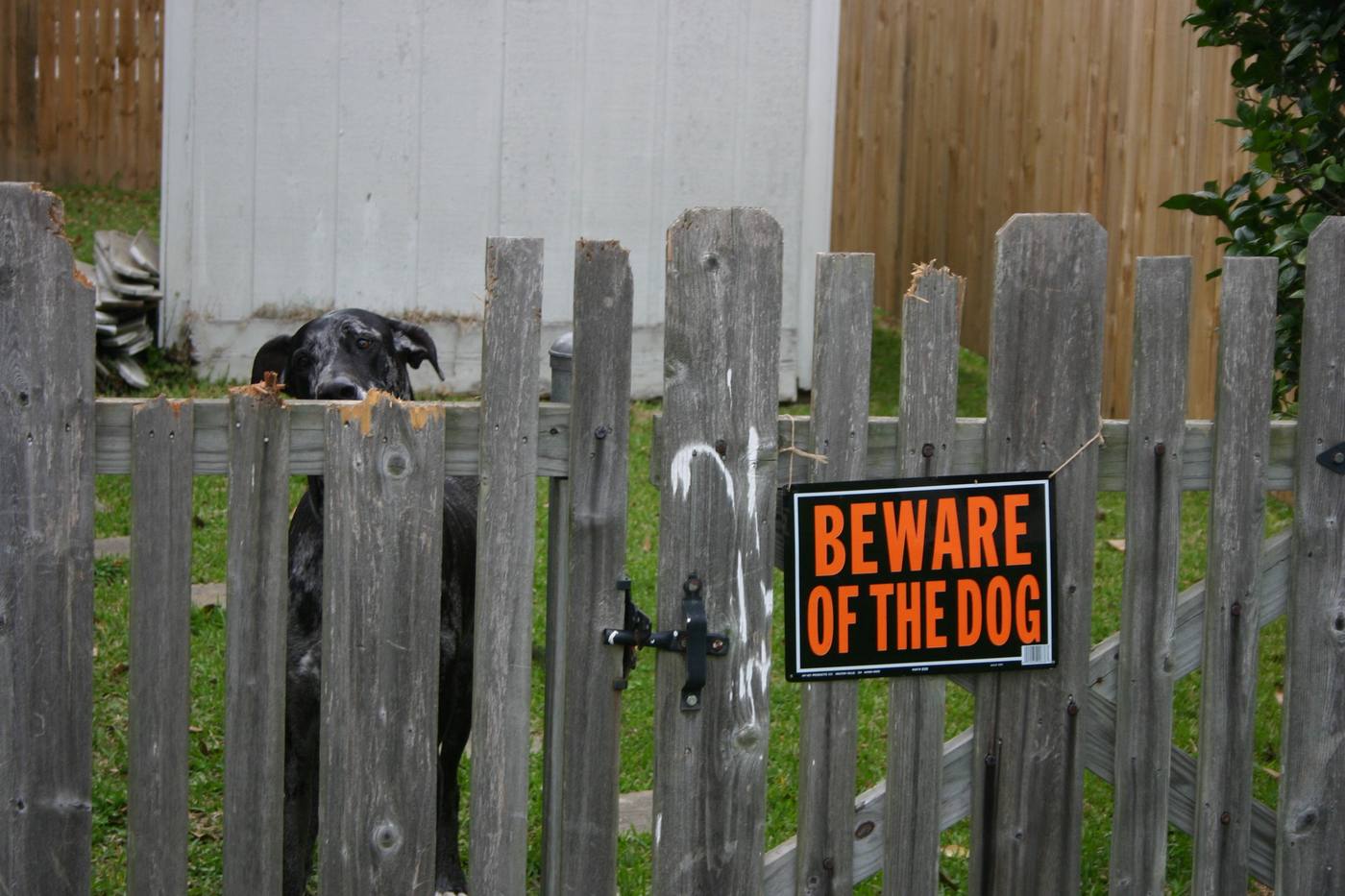
- The person was on the owner's property and it was clearly and conspicuously posted with "no trespassing" or "beware of dog" signs.
- The dog was being used by a peace officer or military personnel in their duties.
- The person knowingly provoked the dog.
- The person was a veterinary worker, groomer, humane agency staff, professional dog handler, trainer, or show judge acting in their job.
- The dog was working as a hunting, herding, farm or ranch, or predator-control dog at the time.
These exceptions are why the facts around a bite, where it happened, what signs were posted, what the person was doing, decide cases as much as the bite itself.
What to Do After a Dog Bite in Colorado
The steps right after a bite protect both your health and any claim. A few of them are easy to forget in the moment.
Get medical care promptly, because bites carry infection risk and the record documents the injury from the start. Identify the dog and its owner, and get their contact and any vaccination information. Report the bite to animal control or the local health department, which creates an official record and protects others. Photograph your injuries and the location, including any posted signs. And get the names of witnesses before they leave. The treatment-first approach at Tactical Lawyers fits dog bite cases well, because coordinated care both helps you heal and builds the economic-damages record the strict-liability statute is built around.
Injured and not sure what your case is worth?
Do not accept the first offer before you know your numbers. Free case review with a Colorado attorney.
Frequently Asked Questions
Is Colorado a strict liability state for dog bites?
Yes, for serious injuries. Under C.R.S. § 13-21-124, an owner is strictly liable when their dog causes serious bodily injury or death to someone lawfully present, with no need to prove the dog was dangerous or the owner careless. Strict liability covers economic damages only; pain and suffering requires a separate negligence claim.
What can I recover in a Colorado dog bite case?
Through the strict-liability statute, you can recover economic damages: medical bills, future care, counseling, lost wages, and lost earning capacity. To recover noneconomic damages like pain and suffering, you bring a separate negligence claim. Many cases pursue both theories together.
What is "serious bodily injury" for a Colorado dog bite?
It is an injury with a substantial risk of long-lasting loss or impairment of a body part or organ, or that involves broken bones, fractures, or second- or third-degree burns. Serious injuries open the strict-liability track; minor bites require proving the owner was negligent instead.
Can I still sue if the bite was minor?
Possibly, but not under the strict-liability statute, which applies only to serious bodily injury or death. For a minor bite, you would have to prove the owner was negligent or knew the dog was dangerous. A lawyer can tell you which theory fits your injury.
What are the exceptions to Colorado's dog bite law?
An owner is not strictly liable if the victim was trespassing, was on property posted with warning signs, knowingly provoked the dog, or was a vet worker, groomer, trainer, or similar professional on the job. It also does not apply to working dogs or police and military dogs performing their duties.
How long do I have to file a dog bite claim in Colorado?
Two years from the date of the bite, the general personal injury deadline under C.R.S. § 13-80-102. The deadline applies to both the strict-liability and negligence theories. Reporting the bite and getting care early protects both your health and the evidence your claim depends on.
Bitten in Colorado? Know Which Law Applies
A serious dog bite in Colorado may not require you to prove the owner did anything wrong, which is a real advantage, but the strict-liability shortcut comes with limits and exceptions that decide what your case is worth. Sorting out which theory fits, and whether to pursue both, is the difference between recovering your bills and recovering everything.
Tactical Lawyers handles dog bite claims across Douglas County and the Denver metro from our Castle Rock office, on contingency with no fee unless we recover for you. We coordinate your medical care first and build both the economic and the noneconomic sides of the claim. Call (720) 499-0000 or request a free consultation.
This article is for informational purposes only and is not legal advice. Dog bite outcomes turn on specific facts; consult a licensed Colorado attorney about your situation.